Journey

From the boy who sold drawings to sculptures of light

Son of Egyptian immigrants, raised in Port Said, back in Brazil to build: this is the journey behind the Mohammed Darwich signature.

Mohammed Darwich, retrato, 2026
01

Two homelands

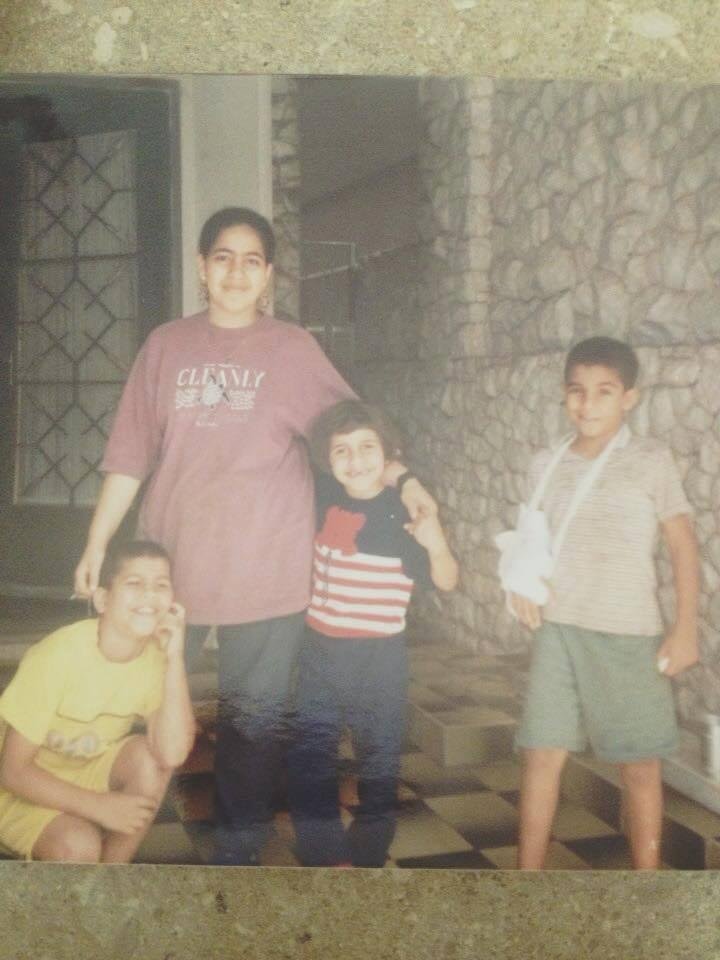
Son of Egyptian immigrants, I grew up in a family of nine siblings. When I was eight, the family moved to Egypt, and my childhood happened in Port Said, on the Mediterranean shore, between the smell of the sea, the call of the mosques and a television with two channels.

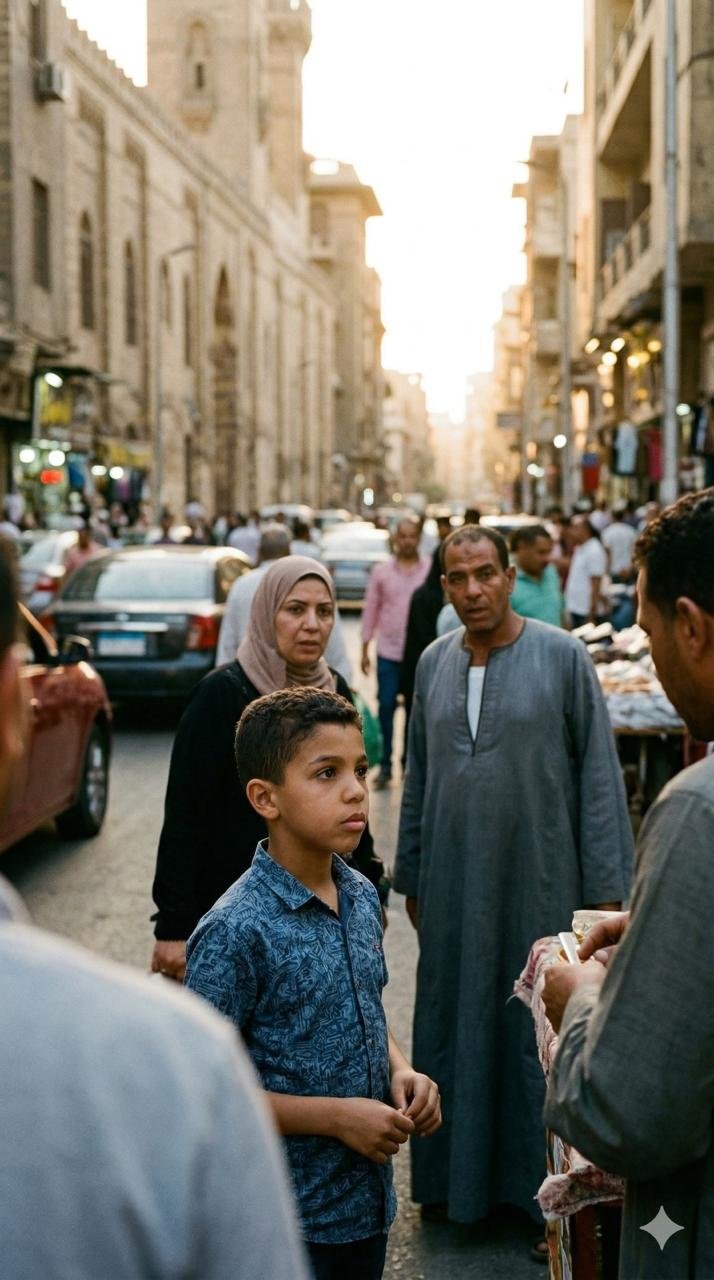
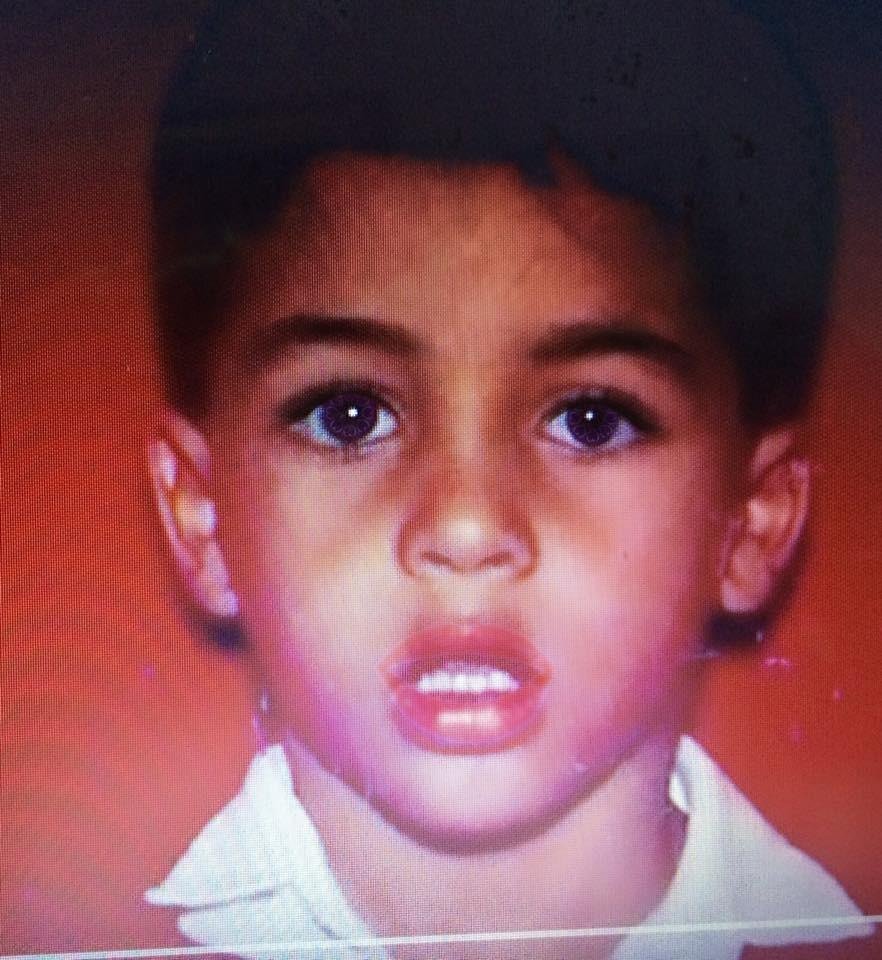
Childhood photoChildhood photo with his siblingsA boy on the streets of Egypt
02

The first sale, at nine

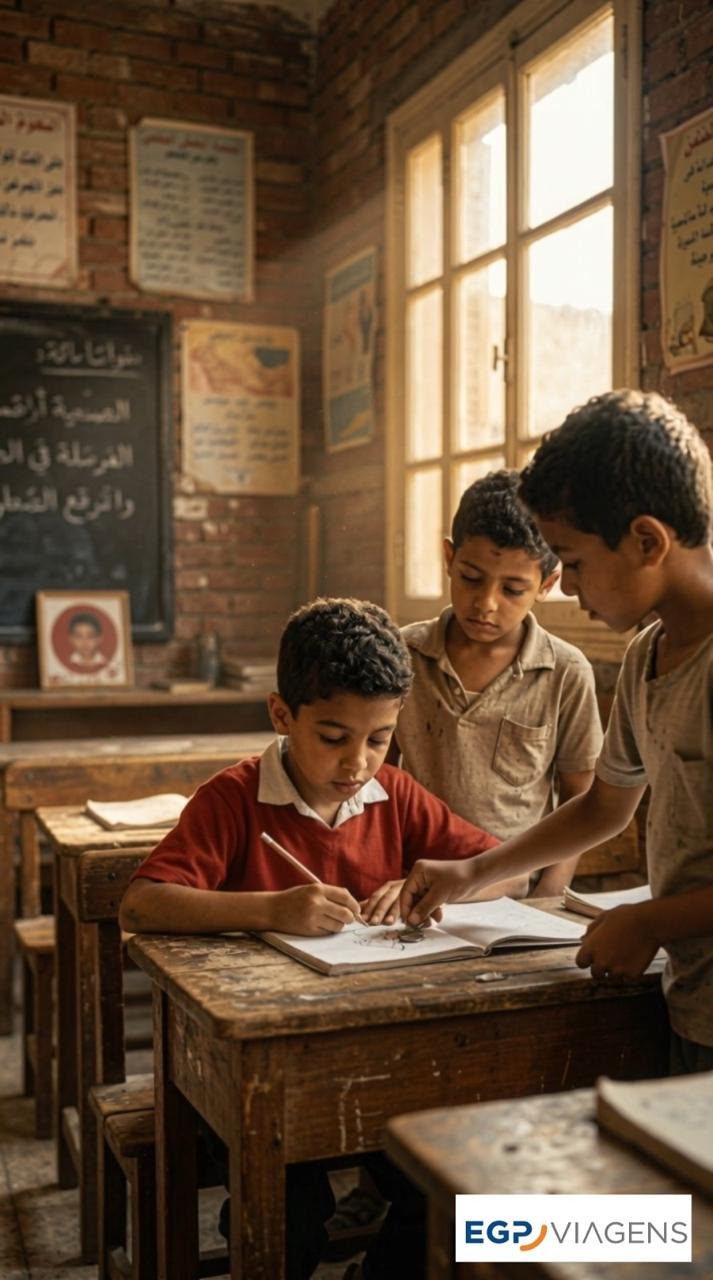
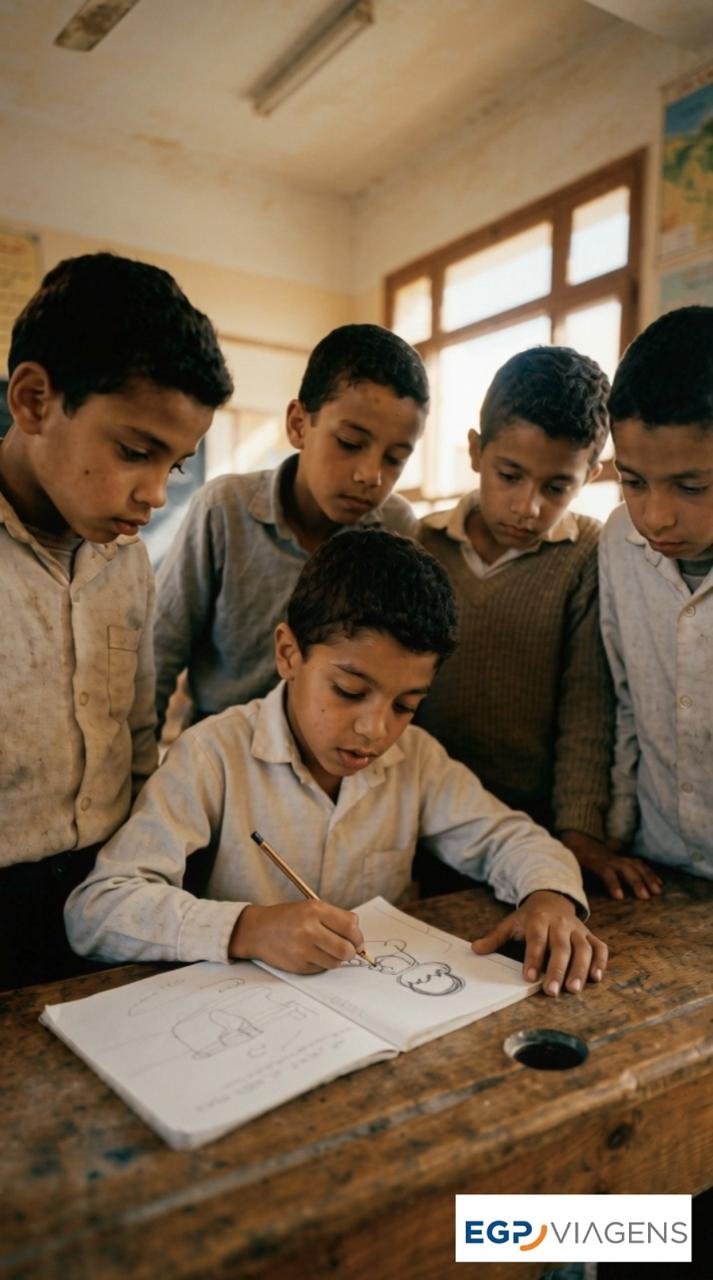
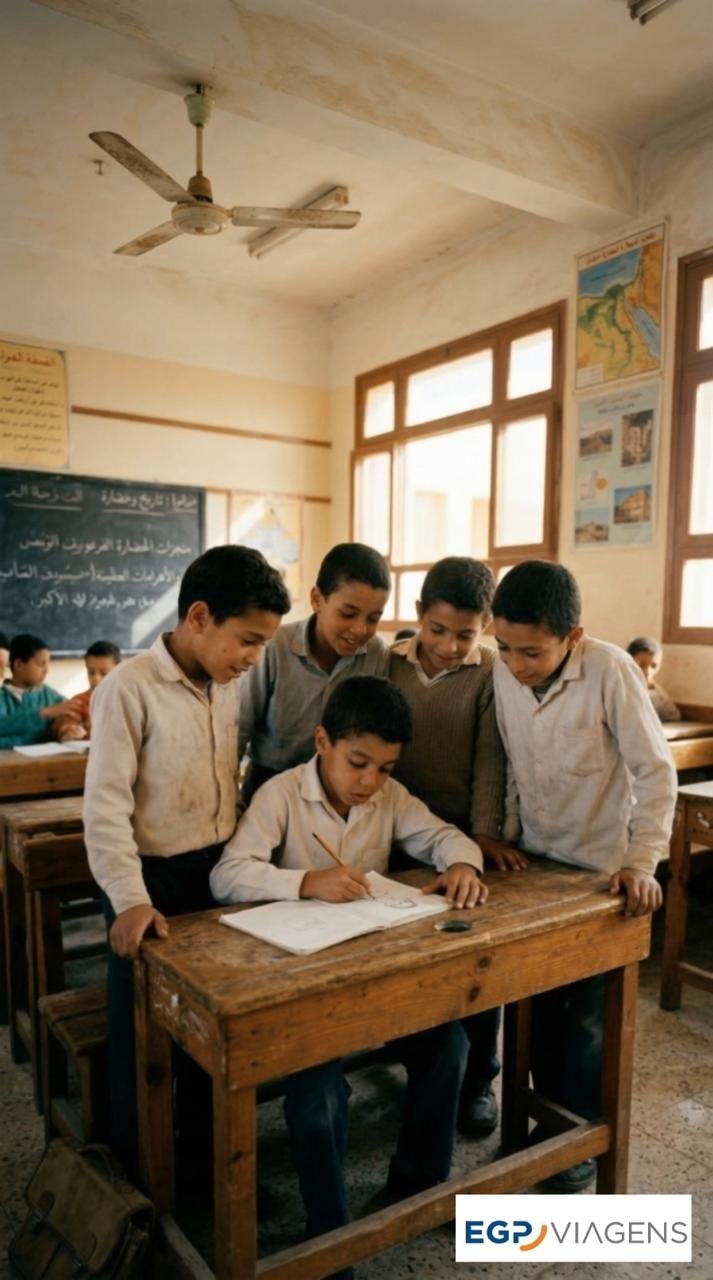
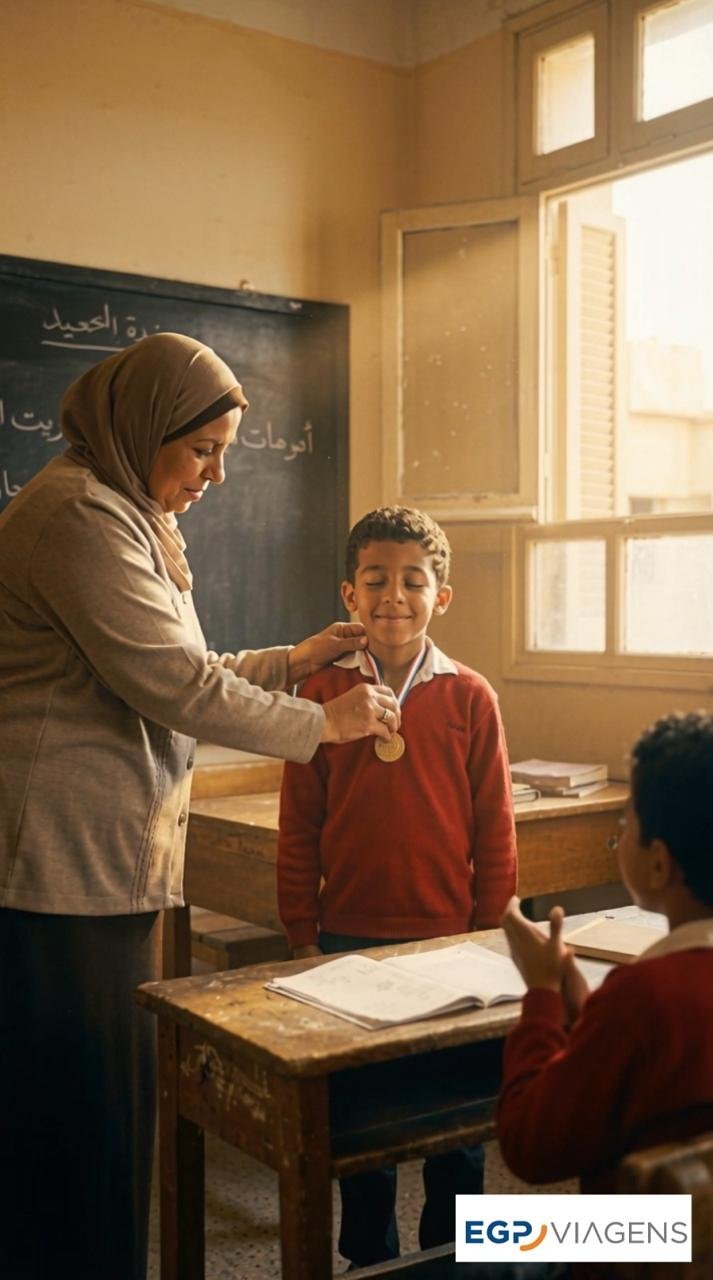
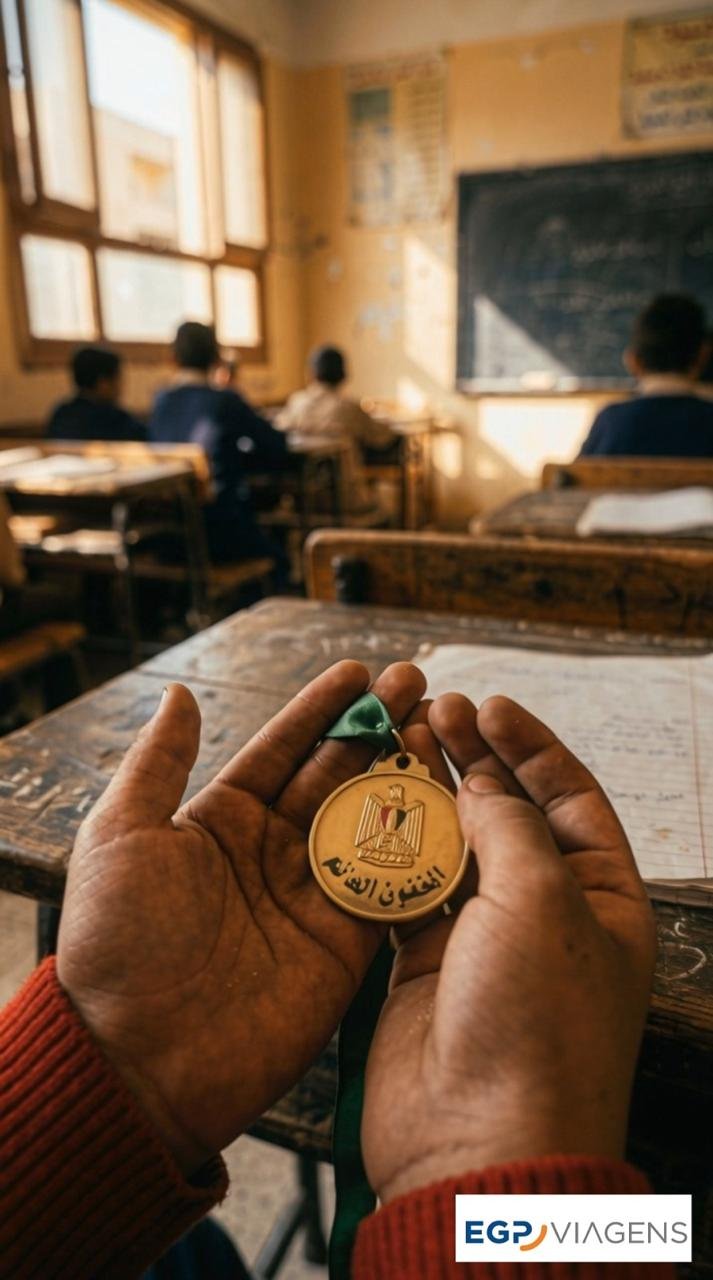
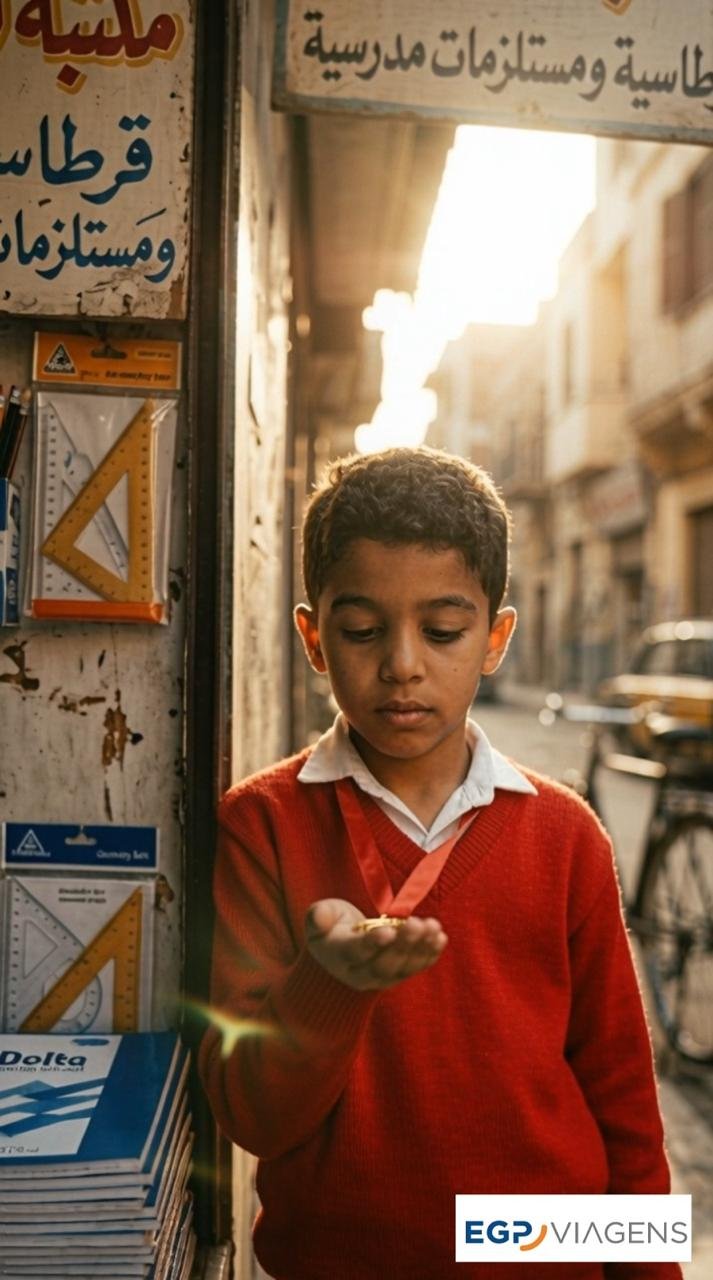
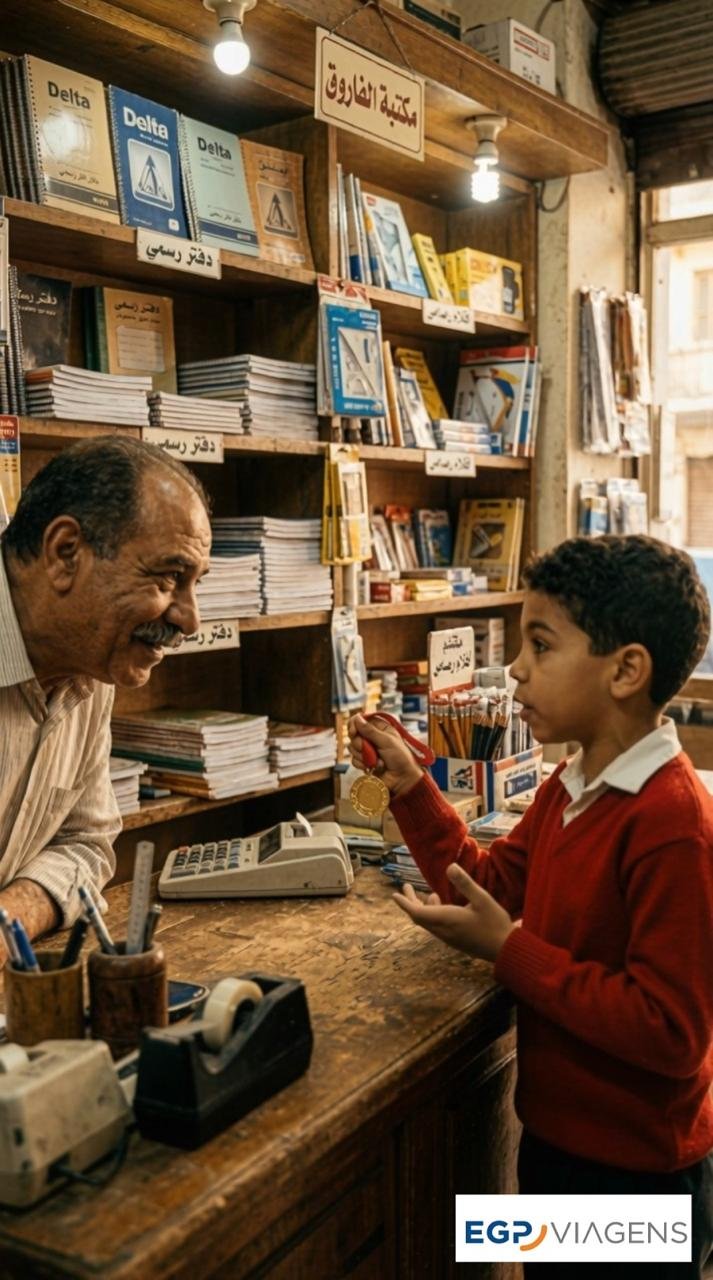
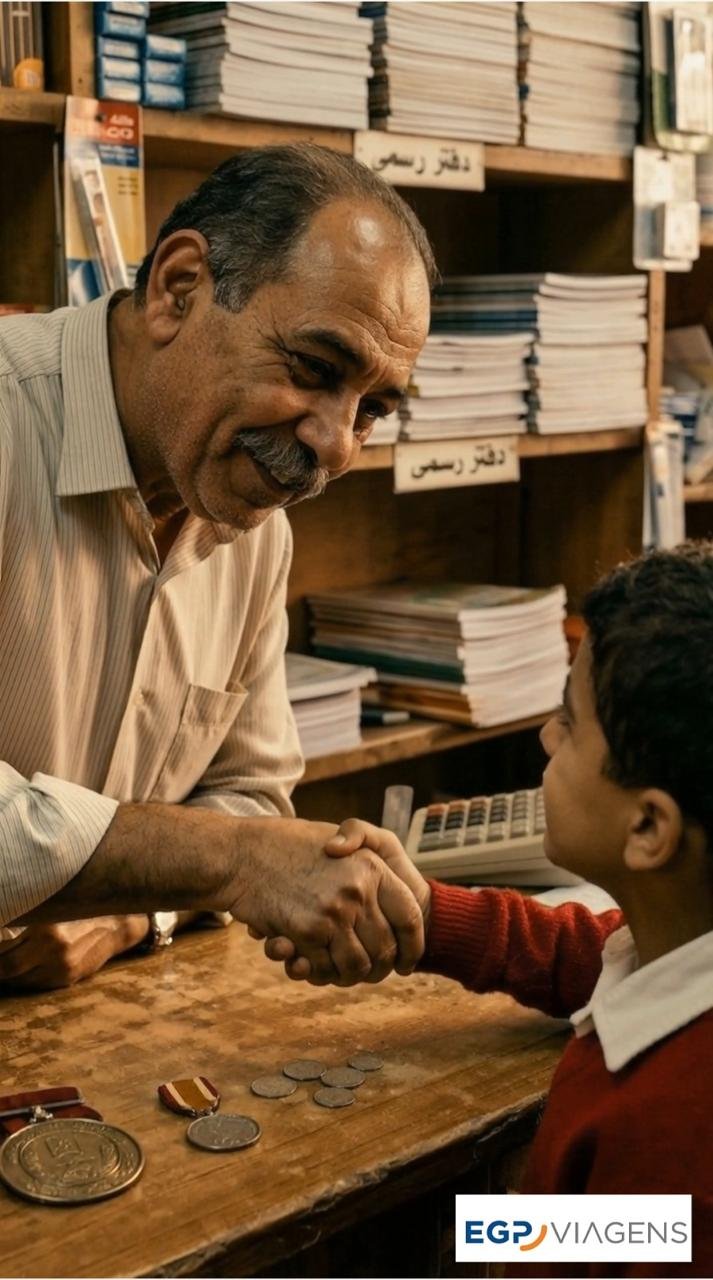
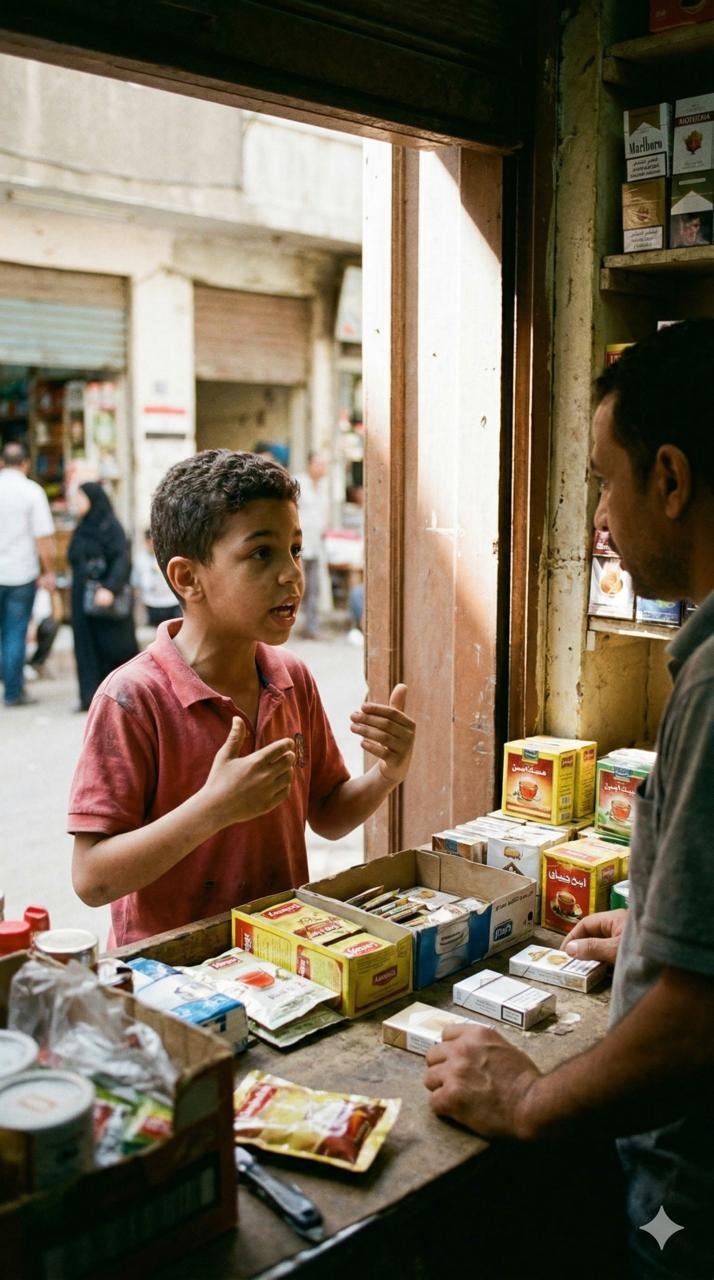
My first business was at school: I sold my drawings to classmates. When I won the drawing championship and was given a medal, I made my first real negotiation: I went to the stationery shop next to the school and offered the owner the medal in exchange for money and a cheaper medal. I needed to expand my collection of pencils, graphite and paints.

When my mother found out, she said a sentence I carry to this day:

“You are going to be a great entrepreneur.”my mother
Reel: where an entrepreneur begins
Drawing in the classroomClassmates looking at a drawing in classDrawing with classmatesReceiving the medal at schoolThe medal from the drawing contestWith the medal at the stationery shop doorNegotiating at the stationery shopHandshake with the shop owner
03

The business of nine siblings

We wanted to watch the Champions League, and Egyptian TV had two channels. My father refused the satellite dish, so my brother and I set up a stall on the pavement and, in twenty days of sales, bought the receiver and the dish. We watched every match.

Then came the video game console, too expensive for any of us. The solution became family legend: the nine siblings chipped in what they could, each playing in turn. The family’s first consortium.

Reel: Mission Antenna
Reel: the nine brothers pact
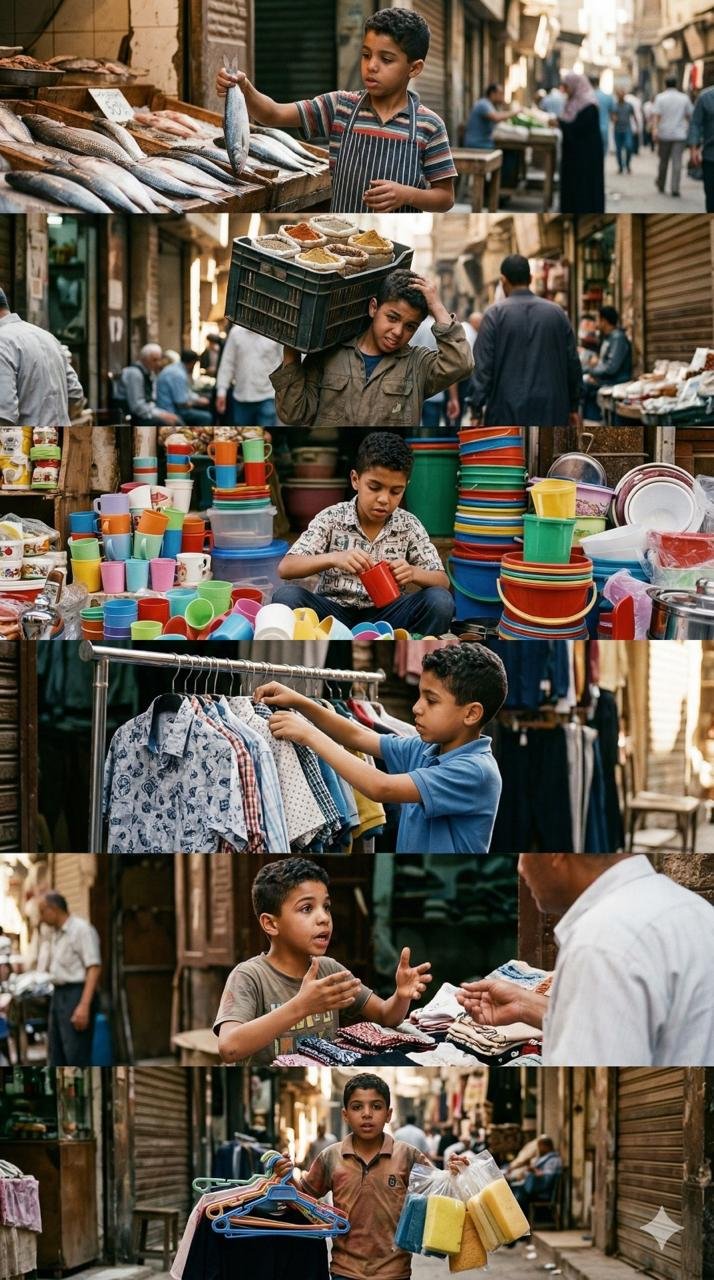
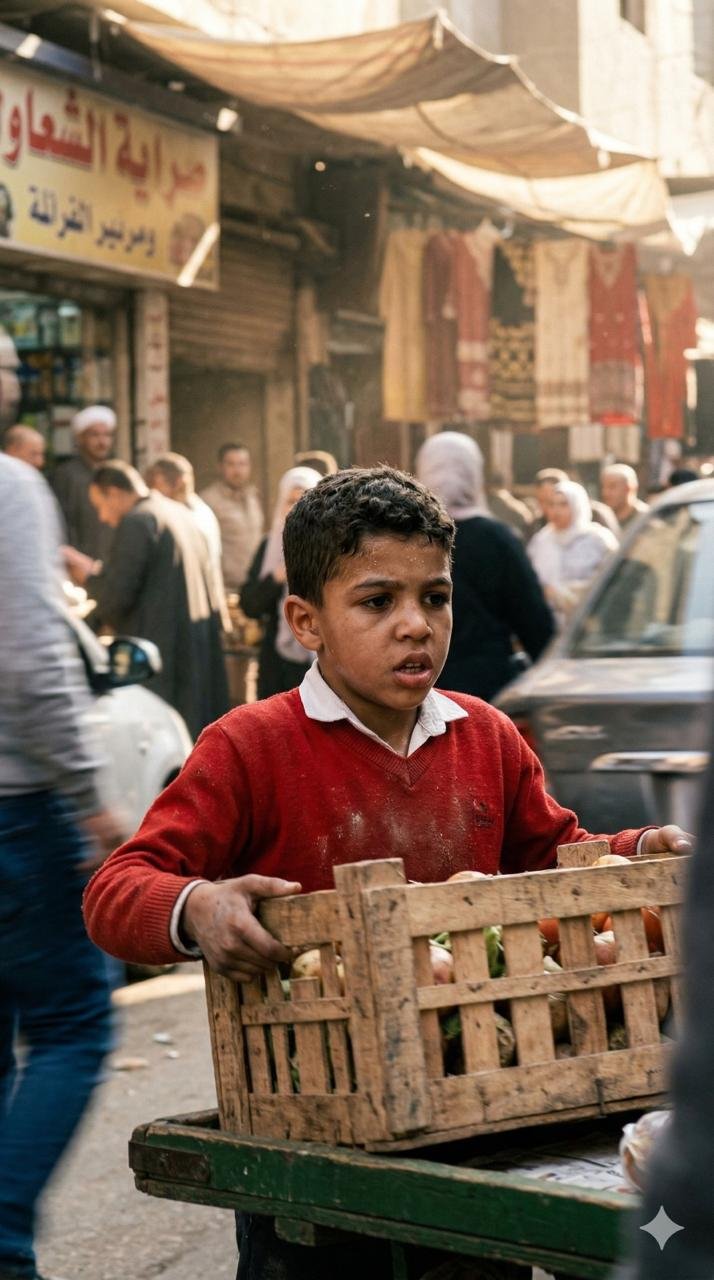
Early jobs in the market streetsCarrying crates at the marketWatching football on TV
04

The Brazil shirt, World Cup 1994

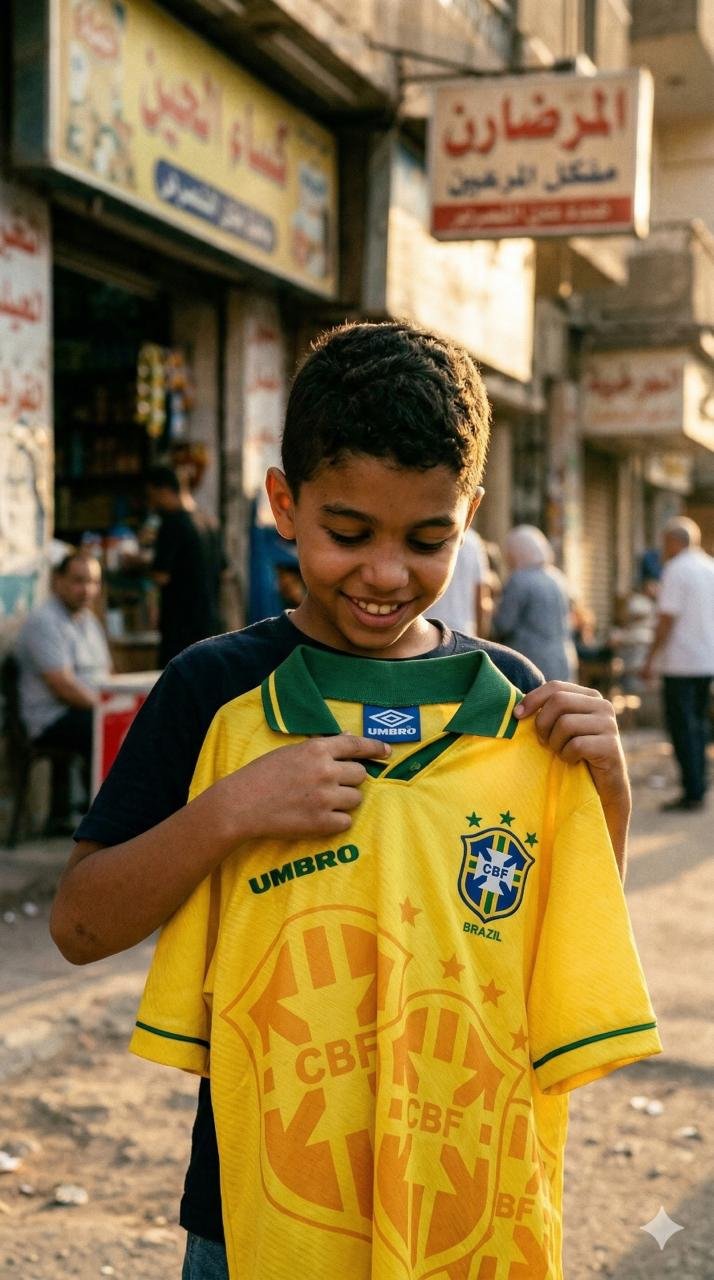
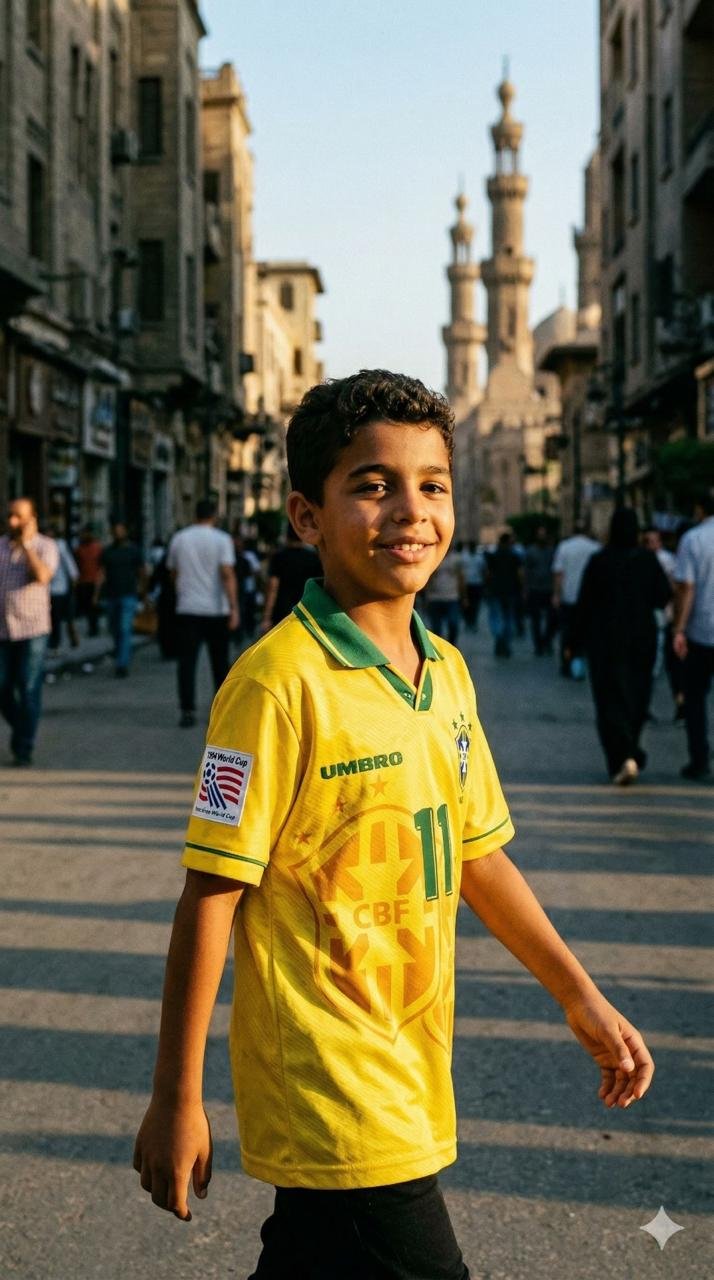
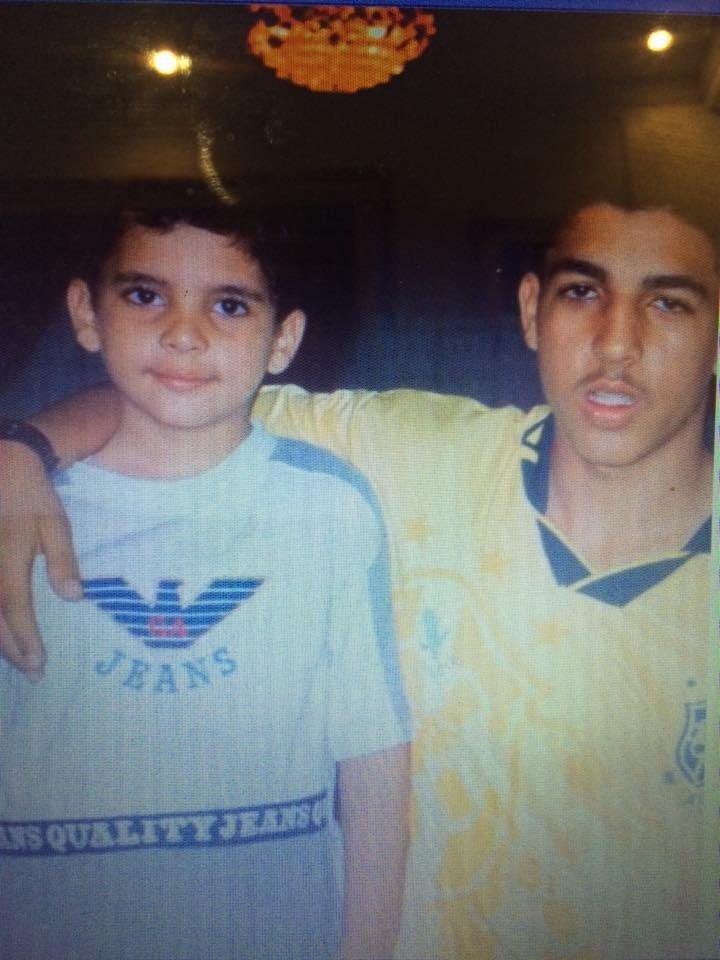
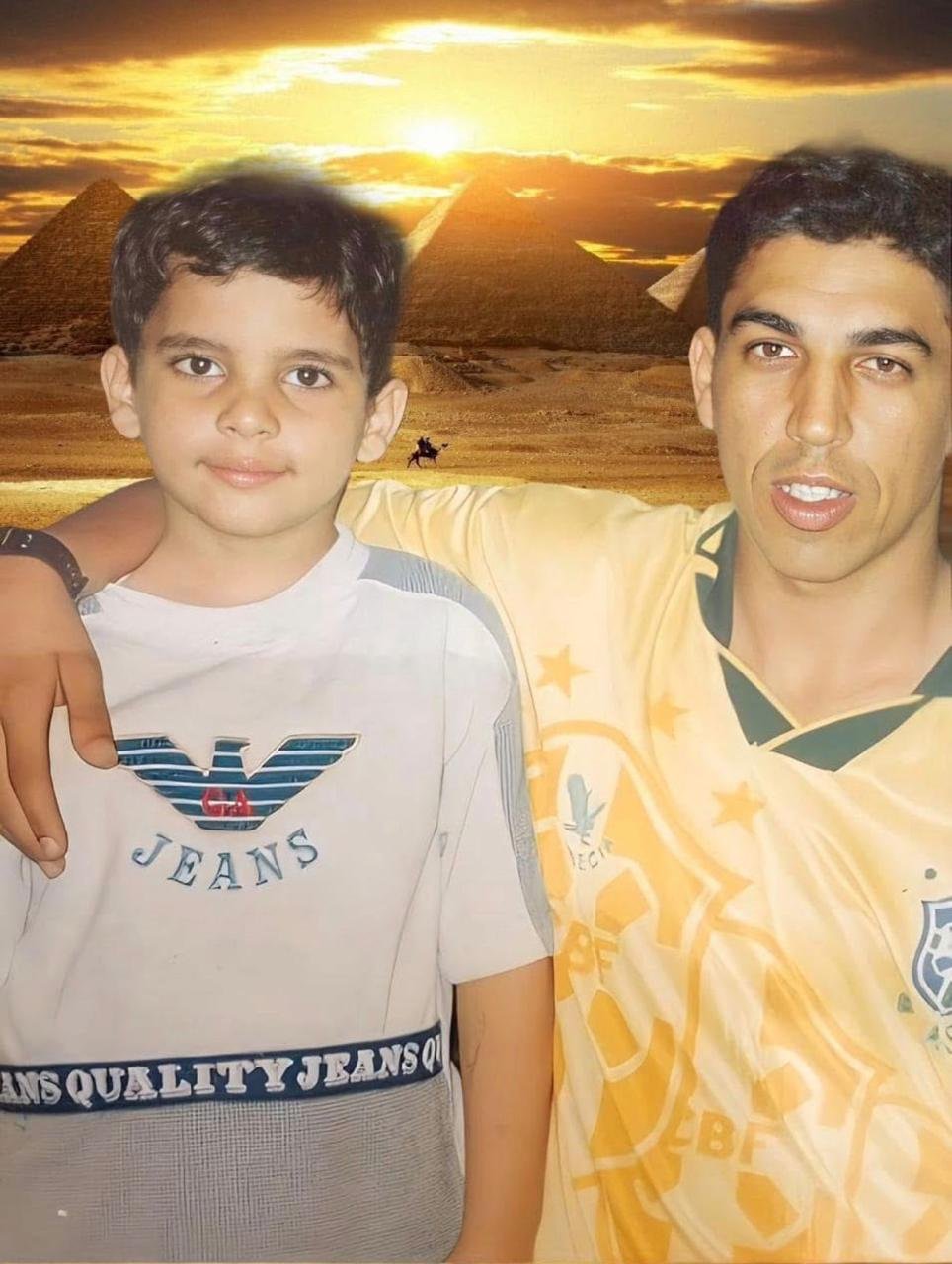
When Brazil won the 1994 World Cup, I needed that shirt. I went to the corner shop near home and proposed to the owner: I would work without pay, he would only pay me for what I sold. Over a month later, I walked the streets of Port Said in the official Brazil national team shirt.

I did not understand yet. But the country where I was born was already calling me back.

Reel: the Brazil shirt, World Cup 1994
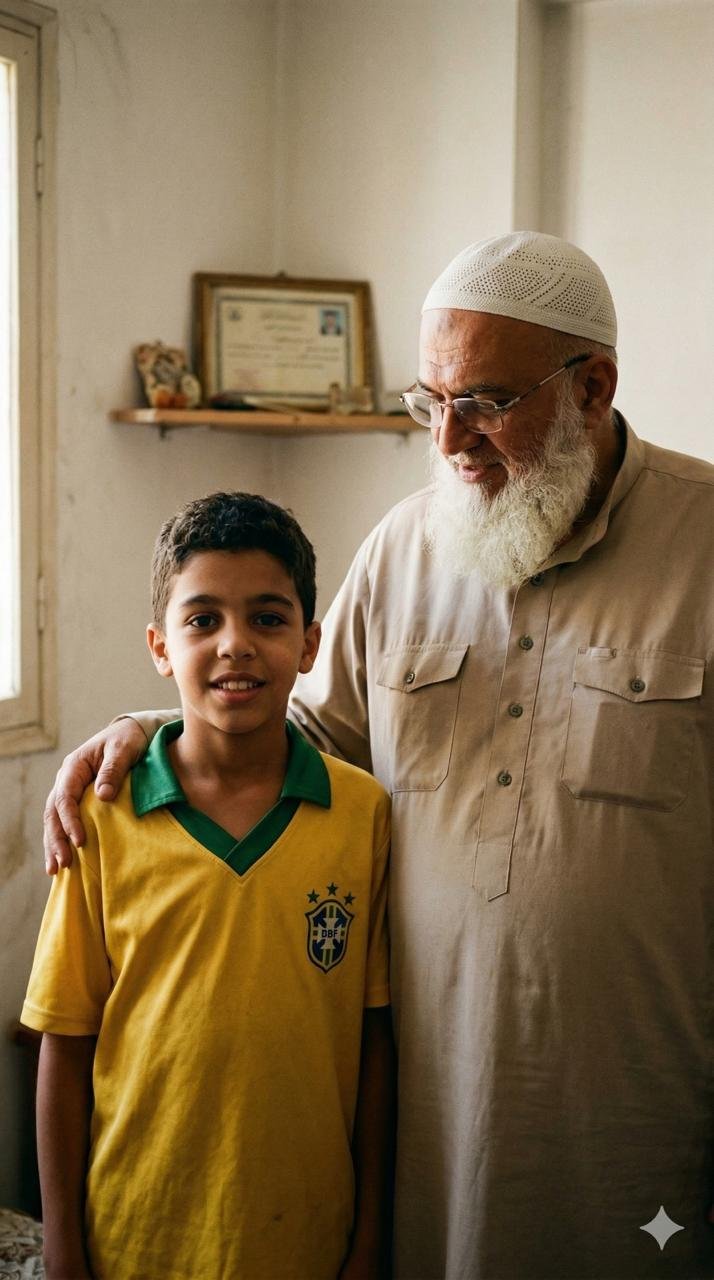
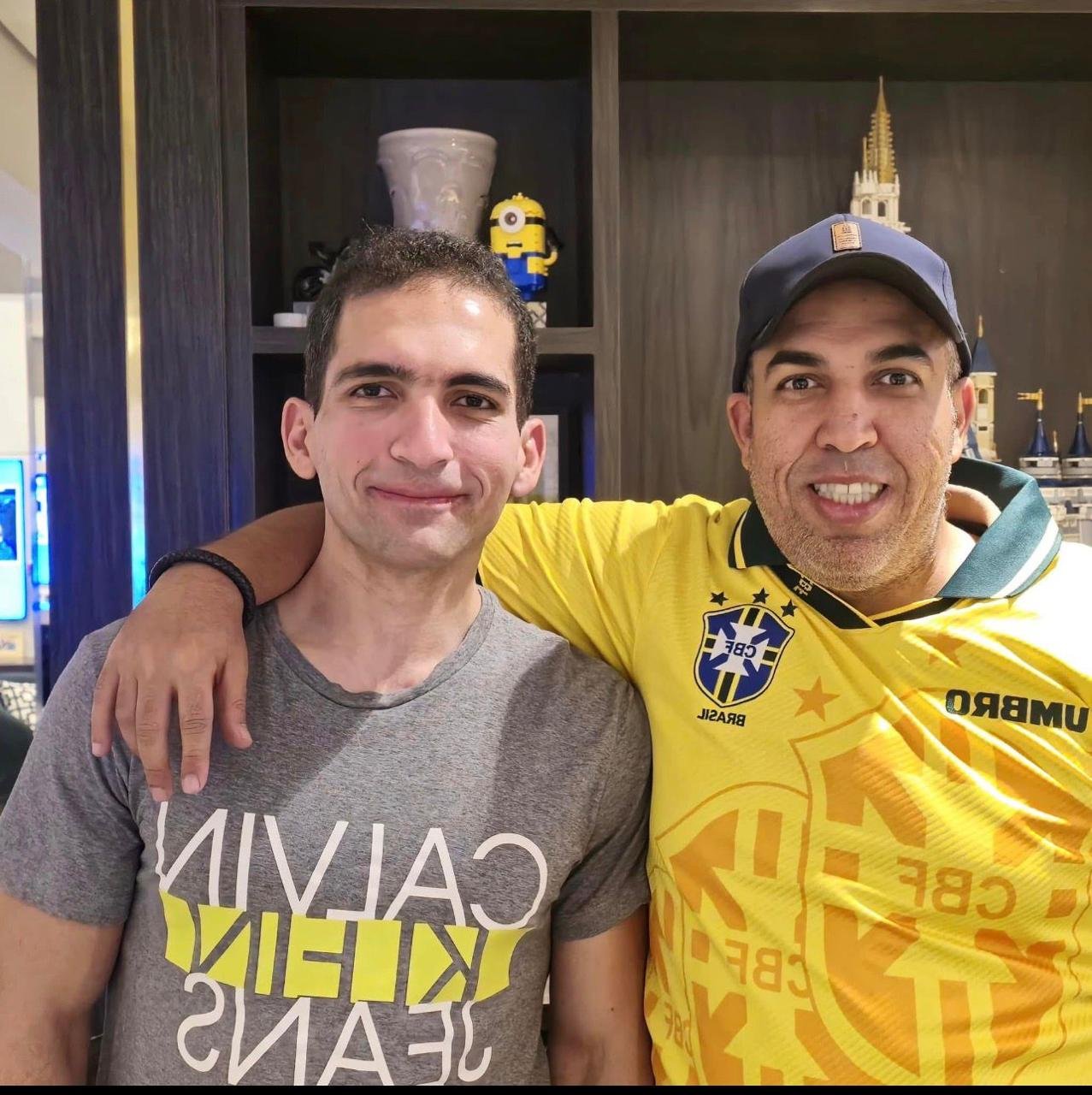
Brazil, 1994 champions, on TVAsking the shopkeeper for workA smiling boy in the Brazil shirtProud in the Brazil shirtA boy in the 1994 Brazil shirtIn the Brazil shirt beside an older manOld photo with the Brazil shirtWith his brother before the pyramidsReunited, in the Brazil shirt
05

My mother’s gold

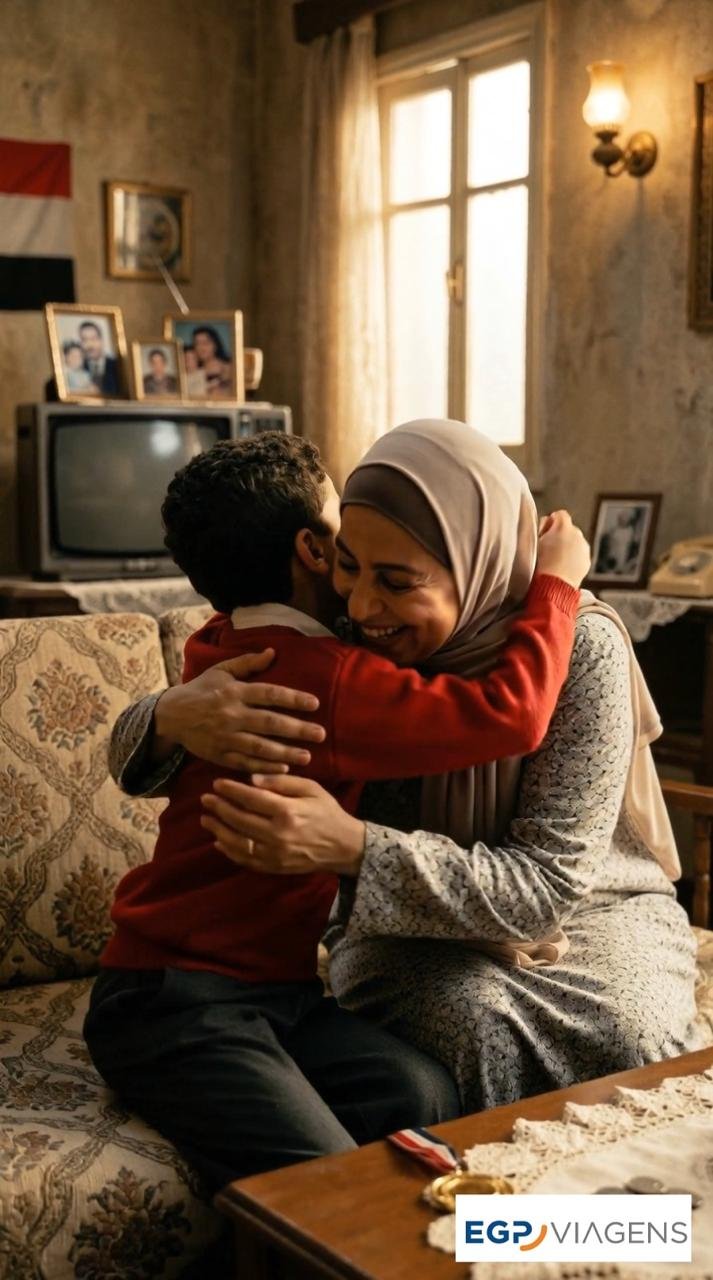
My father passed away when I was eighteen. I needed to get into engineering school, the dream of my whole generation, and there was no money. I worked in cafés, sold everything, helped friends import products. It was not enough.

It was my family who built the bridge: my sister helped with a course, and my mother sold part of the gold she owned to pay for college in Cairo. I left for the largest metropolis of the East carrying the most expensive investment anyone has ever made in me.

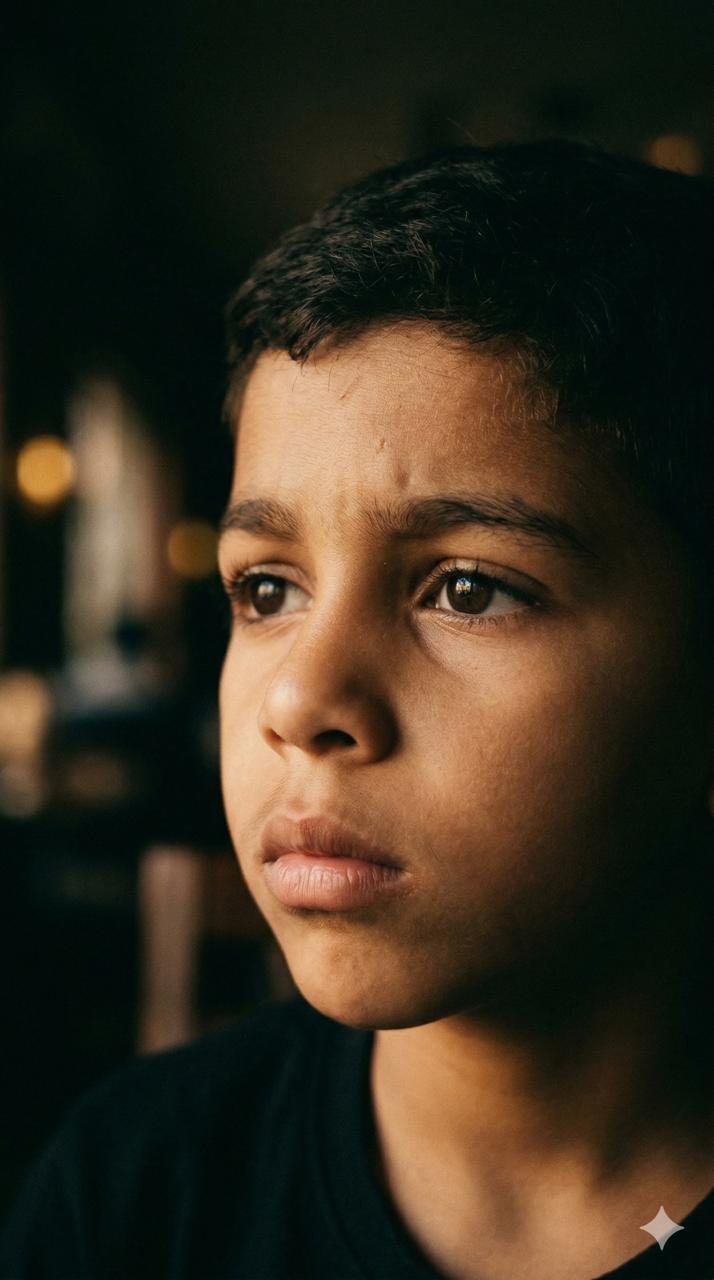
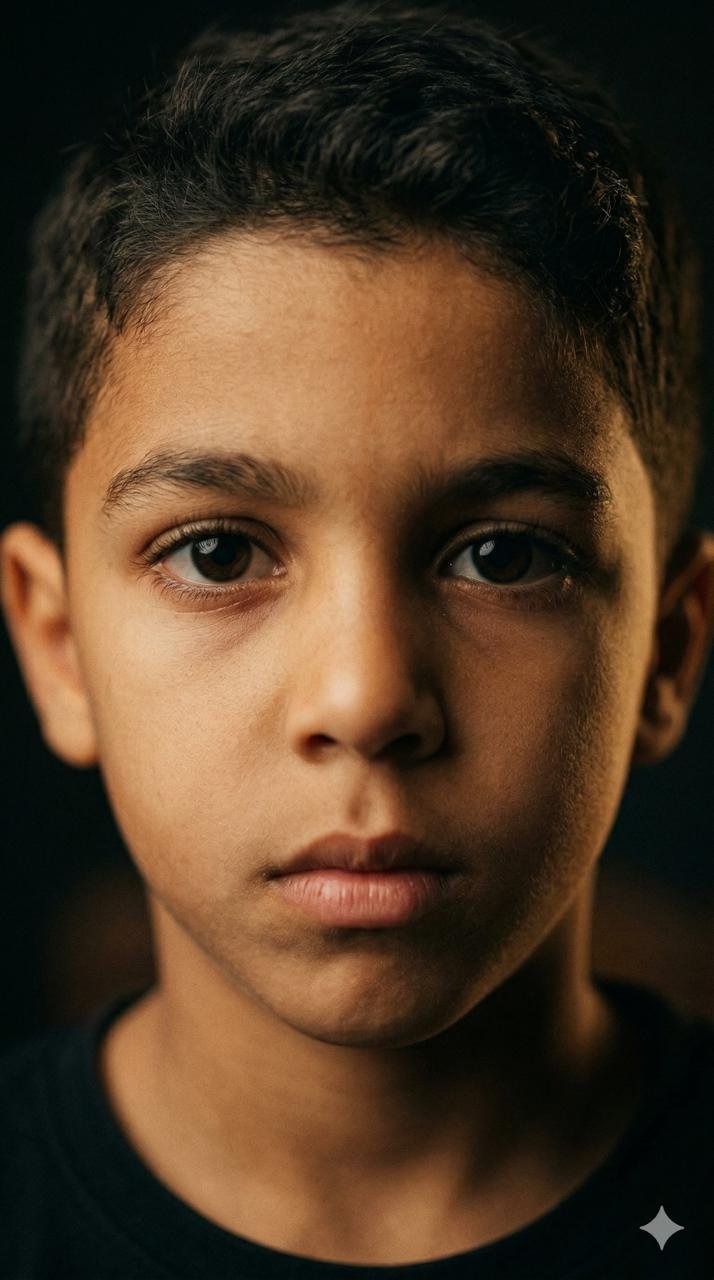
Portrait of a thoughtful boyHis mother's hugPortrait of a boy
06

Cairo: 15 kilometres on foot

Engineering school gave no second chance: no make-up exams, no repeating a year. And I had to work to support myself. On days without money, the 15 kilometres to class were on foot, or hitching a ride with some kind-hearted driver. In time, I became friends with every driver along the way.

The entrepreneur never switched off: I organised university trips to amusement parks, charging those who could pay and taking for free the friends who could not. And I discovered tourism working at Cairo airport, holding signs with tourists’ names, living on tips. I did not know it yet, but I had found my trade.

07

The first fall, and candy at the traffic light

In my second-to-last year of college, I came to Brazil on business, negotiating beef and chicken for a major Egyptian businessman. In the middle of the mission, he lost a tender in Egypt and abandoned me here, with no money and no one, weeks away from losing my final year of college.

I went to sell candy and chocolates at the traffic light to save up for the return ticket. A kind-hearted Lebanese uncle in the south of the country heard of my situation and paid for my ticket. It was 25 November 2006, with one condition I never forgot:

“You pay me back when you graduate.”a kind-hearted Lebanese uncle · 25 November 2006

I went back to Egypt, chased the final year and graduated as an engineer, without a make-up exam, without a low grade. And in the summer of 2007 I closed my first real deals, bringing Brazilian tourists and athletes to Egypt. I paid my debts. All of them.

Years later, I learned that uncle was very ill, in an expensive hospital. I went there, paid everything and left a letter with a single line:

“Paid on 25 November 2006.”the letter left at the hospital
08

São Paulo, 2008: from zero, again

With business going well in Egypt, I made the decision that changed everything: if I had managed to sell candy at traffic lights in Brazil, I could build a real company in Brazil. I arrived at 24, with a little over fifty dollars in my pocket.

The first times were in cheap rooms in the Cracolândia area. Without a Brazilian engineer’s licence, nobody would hire me. I worked as a bricklayer’s assistant, and every day’s pay went to translating my documents and building the website of the travel company I was already designing at night.

In 2008, EGP Viagens was born. First a virtual office at Rochaverá, facing Shopping Morumbi. Then the first store on Rua Michigan, the second on Rua Califórnia, in Brooklin, up to the current headquarters in Campo Belo. The operation grew, reached 80 employees and, for many years, EGP was the company that flew the most Brazilians to Egypt.

09

Crystal crosses the ocean, 2016

In 2016 came the proposal that brought Egypt back into my story: Asfour Crystal, one of the largest crystal makers on the planet, with decades of tradition in Egyptian cut crystal, was looking for a partner to take its products to Brazil and Latin America. For someone who grew up looking at the chandeliers of Egypt, it was more than a business: it was the crystal that taught me to look up, crossing the ocean after me.

Crystal Asfour Brasil was born, the official representation of Egyptian crystal in the country. From it came the next step: the Crystal Star factory, to make here what used to be only imported. Then the Lumenstar stores, bringing technical and decorative lighting to the real-estate market. And finally Darwich Studio, the signature atelier I named after my surname, where crystal and brass become sculptures of light designed piece by piece.

The boy who traded his medal for pencils and paints was now designing monumental pieces, and the country’s largest developers began commissioning them.

Milestones

2008EGP Viagens, from zero
+100 milBrazilians flown by EGP
2016Crystal Asfour Brasil
+10.000chandeliers in Brazil and worldwide

What they say

“Sculptural chandelier with design signed by Mohammed Darwich.”Cyrela launch material
“It was an emotional trip, full of wonderful moments and a great deal of cultural learning. I carry very special memories with me. I recommend EGP Viagens to everyone who wants to know Egypt and keep memories for a lifetime.”
Luiza · Trip to Egypt
“Simply unforgettable. The Egypt itinerary EGP made for us was surreal: a Nile cruise, a Portuguese-speaking guide, every detail thought through with care. It was the best trip of our lives.”
Nathália B. · Trip to Egypt
“If you are going to Croatia: the catamaran broke down in Hvar and EGP rented a private yacht for the group, and even served sparkling wine and snacks on board.”
Bruno S. · Trip to Croatia

Quality Award for Outstanding Quality and Excellence in 2015, 2016, 2023 and 2024. A 9.9 rating on ReclameAqui, where 97.3% of customers say they would do business again. 5 stars on TripAdvisor and Google. And the part no company can buy: dozens of content creators have joined these trips and shared the experience online. The thousands of comments are public, from those who lived it.

Today

Today, the Mohammed Darwich signature is in the dome of the Santo Amaro Mosque and in the lobbies of developers such as Cyrela and Living: sculptures of thousands of brass leaves and crystal, each born from its own parametric design, with hole positions set by coordinate and assembled leaf by leaf by our own team. The works have crossed borders: Santiago de Chile, Medellín, Buenos Aires, Punta del Este, Santa Cruz de la Sierra, New York, London.

At the other end of the trade, EGP Viagens became what the boy at Cairo airport never imagined. What began in a virtual office facing Shopping Morumbi is now an operator with its own end-to-end structure in Egypt and Brazil, and programmes in more than ten destinations (Turkey, Greece, Italy, Croatia, Morocco, Jordan, Dubai, Saudi Arabia, Thailand, Portugal, Spain), with pre-contracted hotel blocks and flights and Portuguese-speaking guides. The model most of the market outsources, done in-house. More than a hundred thousand Brazilians have joined this story, and the awards and public reviews came with them.

The work opened doors: partnerships with major brands, banks, architects and international firms.

The signature

I never saw my companies as separate stories. Each was born from an opportunity and from knowledge earned along the way, and all carry the same name for a reason:

They are different businesses, united by one responsibility: the commitment to what carries my name.

Light creates a better world.Travel creates a better life.The greatest work is still to come.

“We do not light up rooms. We create the moment someone walks in, looks up and understands, without words, that luxury lives here.”Mohammed Darwich

The companies